
Is It Safe to Travel to Sri Lanka? 2027

Yes, it is. Heading into 2027, Sri Lanka continues to be regarded as a safe destination for travellers, with the overwhelming majority of visitors touring the island without incident. With basic care, attention to local advice, and awareness of cultural standards, travellers can feel secure exploring Sri Lanka’s varied attractions. The island welcomes visitors warmly, promising vibrant experiences from lively cities to tranquil coastal towns and lush uplands.
Sri Lanka’s main cities, such as Colombo, Kandy, and Galle, are recognised for moderately low crime rates, and locals are often friendly and welcoming to travellers. However, it is sensible to avoid walking alone late at night in less crowded areas that are poorly lit. Staying attentive and taking basic safety measures is recommended to ensure a secure experience during your visit to Sri Lanka.
Nevertheless, there are a few considerations worth understanding before you finalise your travel plans to Sri Lanka.
Political and Economic Constancy:
Sri Lanka has made significant progress in stabilising its political and economic landscape following the difficulties of recent years. Reforms and international support have contributed to a more settled environment for residents and visitors alike, and tourism has been a central part of that recovery. As with any destination, conditions can shift, so it is worth scanning recent news coverage in the weeks before you travel rather than relying on older reporting.
Terrorism and Security Concerns:
The overall security picture in Sri Lanka has improved considerably, and tourist areas are generally calm and well policed. That said, travellers should remain attentive and stay informed about the local security situation, particularly around crowded venues, major hotels, well-known tourist spots, and places of worship. Where alerts have been issued in the past, authorities have responded with increased police presence, enhanced surveillance, and stricter checks in public areas. Following local media during your stay is the simplest way to stay aware of anything developing.
Crime Reports:
Serious crime against tourists is uncommon. The realistic risks are minor: pickpocketing and bag-snatching, particularly in crowded areas such as markets, bus stations, and busy beaches. To stay safe, safeguard your belongings and avoid displaying valuables. Travellers should also be alert to drink spiking and credit card scams, and use ATMs attached to established banks where possible.
Natural Disasters:
Sri Lanka experiences two main monsoon seasons: the Maha season, driven by the northeast monsoon from roughly September to March, and the Yala season, shaped by the southwest monsoon from roughly May to August. Heavy rainfall during these periods can cause flooding and landslides, particularly in low-lying areas and the hill country.
Flooding events in recent years have caused displacement and loss of life in affected districts, and this remains the most significant natural hazard for visitors to plan around. Watch the weather forecasts, build flexibility into your itinerary during monsoon months, and avoid areas affected by recent flooding or landslides.
Health, Hygiene and Safety Measures:
Make sure you have comprehensive travel insurance and are up to date with routine vaccinations. It is also sensible to check for any health advisories relating to Sri Lanka before your visit.
Access to healthcare facilities can be limited in rural regions, so carry any required medications with you rather than expecting to source them locally. Colombo and the larger cities have private hospitals of a good standard. Stay careful about food and water hygiene — stick to bottled or filtered water — to avoid stomach illness.
Travel Advisories:
Different nations maintain their own travel advisories for Sri Lanka, and the level of caution advised varies between them. Rather than relying on any single summary, check your own government’s current advice before booking and again before departure. UK travellers can read the live position on Foreign Office travel advice for Sri Lanka; visitors from the US, Australia, Canada, and the EU should consult the State Department, Smartraveller, and their own national equivalents, each of which is updated as conditions change.
Visa Regulations:
Sri Lanka’s entry requirements have changed several times in recent years, including the introduction of visa-free entry for visitors from a number of countries. Because these arrangements are periodically revised, extended, or withdrawn, always confirm the current rules for your nationality on the official Sri Lanka ETA portal before you book. Applying through the official portal also avoids the third-party sites that charge a premium for the same service.
Local Customs, Cultural Sensitivities and Laws:
Familiarise yourself with local customs and laws to ensure you are respectful and lawful during your stay. Sri Lanka is a predominantly Buddhist country with strong cultural traditions, and disrespect toward religious sites or customs can cause genuine offence and, in some cases, legal difficulty.
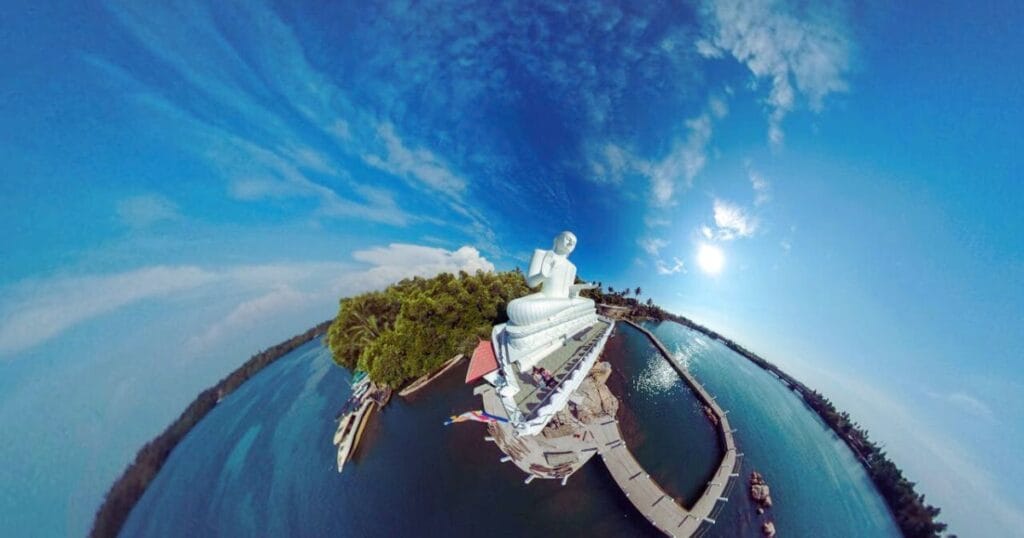
Dressing modestly when visiting religious sites is expected, and mandatory at places such as the Sacred Temple of the Tooth in Kandy. Shoulders and knees should be covered, and shoes removed before entering. Avoid posing for photographs with your back to a Buddha statue, and avoid photographing religious images where signage prohibits it. Visitors should also be aware that Sri Lankan law has historically criminalised same-sex relations, and that public displays of affection are not the local norm for any couple.
Wildlife and Nature Threats:
When exploring national parks or rural areas, particularly on foot, watch out for snakes, leeches, and other wildlife. Leeches are common in the wet zone rainforests and are harmless but unpleasant — long socks help.
Follow the guidance of park rangers and drivers at all times, and never feed or provoke animals. Wild elephants in particular are not tame, and keeping a respectful distance is essential in areas where they roam near roads and villages.
Beach Safety:
Many of Sri Lanka’s beaches have strong currents and rip tides, and conditions vary dramatically between coasts depending on the monsoon. Lifeguards are not always present. Swim only at beaches flagged as safe, ask locally before entering the water at an unfamiliar spot, and take local warnings seriously — this is the single most common cause of serious incidents involving visitors.
Road Safety:
Driving in Sri Lanka can be challenging due to unpredictable traffic behaviour, narrow roads, and variable road conditions. If you are planning to rent a vehicle, confirm you hold the correct licences and permits. For most visitors, hiring a driver familiar with local traffic patterns is the safer and more relaxing option, and often not much more expensive once fuel and parking are accounted for.
Let us reassure you!
While Sri Lanka is warmly open to tourists and promises a rich cultural and natural experience, it is worth staying informed about current conditions, following local advisories, and taking standard travel precautions to ensure a safe and enjoyable journey on this captivating island.
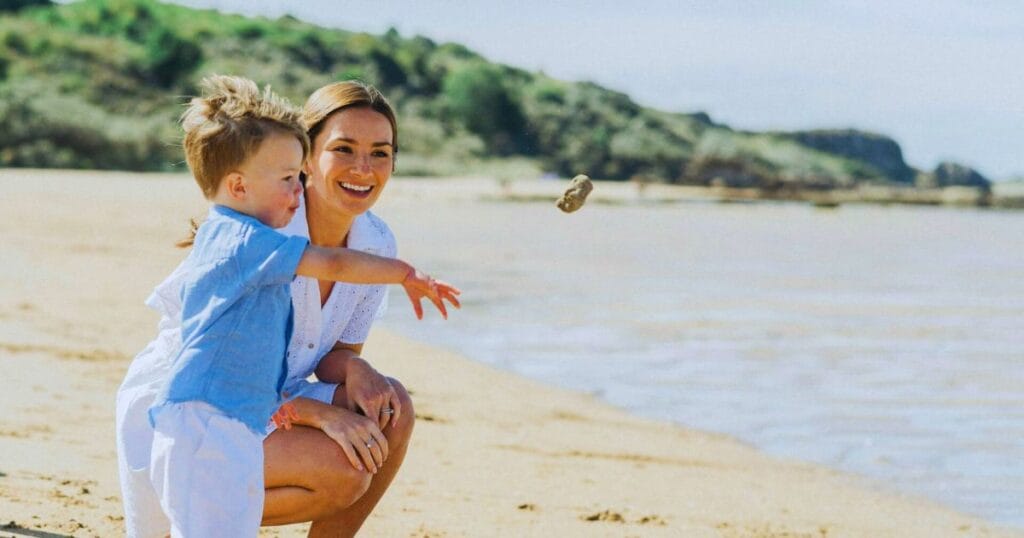
Sri Lanka is regarded as a safe destination for families, individuals, and solo women travellers alike. The best time to visit varies with your itinerary and the activities you have in mind, but December to mid-April is generally considered the sweet spot, with the lowest rainfall and the most pleasant climate across much of the island.
Take the travel advice above into account, and make your stay comfortable and safe while exploring Sri Lanka’s vibrant cities, golden sandy beaches, and lush countryside.